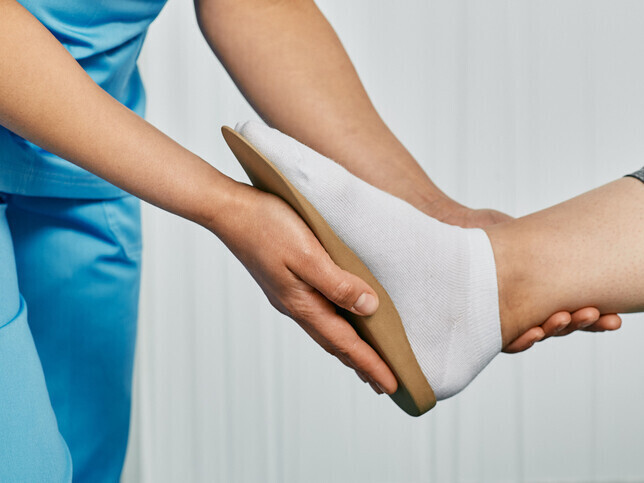
Not Everyone Needs an Insole. We don't believe that everyone with foot pain needs an insole. An insole should have a specific purpose within your overall management plan. During your assessment, we consider:
- Your symptoms
- Your foot structure
- Your foot function
- Your footwear
- Your activity levels
- Areas of pressure
- What you're hoping to achieve
If we don't think an insole is likely to help, we'll tell you.
Our aim is to recommend what is appropriate for you — not sell you something you don't need.
When Might an Insole Be Helpful? Appropriately selected insoles may form part of the management of a number of foot problems. These may include:
Heel Pain & Plantar Fasciitis: In some cases, an insole may help manage load and pressure through the foot. Learn More
Flat Feet: An insole may sometimes help manage symptoms associated with foot posture or the way forces are distributed through the foot.
Forefoot Pain: Insoles can sometimes be used to help redistribute pressure around the ball of the foot.
Pressure-Related Problems: Where particular areas of the foot are experiencing increased pressure, an insole may form part of a wider management strategy.
Activity-Related Foot Pain: For some people, an insole may help manage symptoms associated with walking, running or other activities.
Children's Foot Problems: Insoles can sometimes be appropriate for children, depending on their age, symptoms and individual foot function.
Your Assessment Comes First. We don't simply look at your feet and choose an insole from a shelf. Your assessment considers the whole picture. This may include:
- Your symptoms
- Foot structure
- Foot posture
- Joint movement
- Muscle and tendon function
- Areas of pressure
- Walking pattern
- Activity levels
- Current footwear
- Previous injuries or problems
The findings help determine whether an insole is likely to be useful and, if so, what characteristics the insole should have.
Why Do We Use Off-the-Shelf Insoles? At Shire Foot Clinic, we primarily use off-the-shelf insoles that can be selected according to the individual's needs. There are many different types and designs available, with different levels of cushioning, support and pressure distribution. The important consideration is whether the particular insole is appropriate for the individual, rather than simply whether it is custom-made. We select an option based on your assessment and intended use.
The right insole is the one that is appropriate for you — not necessarily the most expensive one.
For some people, appropriately selected insoles or orthoses may form part of a wider management plan for foot pain. Whether they are appropriate depends on your individual symptoms, foot function and clinical assessment.
If we think insoles may be beneficial, we can discuss the available options with you.
When Should You See a Podiatrist for Heel Pain? Consider seeking professional advice if:
- Your heel pain is persistent
- Pain is affecting your walking or daily activities
- Symptoms are stopping you exercising
- Your pain keeps returning
- You aren't sure what is causing the pain
- Self-management hasn't helped
- Your symptoms are getting worse
If your pain followed a significant injury, is severe or you have other concerning symptoms, appropriate medical assessment may be required.
I'd include a short reassurance section. Heel Pain Isn't Something You Simply Have to Put Up With. Persistent heel pain can gradually affect how you walk, exercise and carry out everyday activities. Understanding why the pain is occurring is an important part of finding an appropriate way forward.
At Shire Foot Clinic, we'll assess your individual circumstances and explain the options available to you.
Insoles for Children. Children's feet are continually developing, so the approach needs to be appropriate for their age and stage of development. Insoles may sometimes be recommended for children where there is a specific reason to use them. We consider:
- The child's age
- Symptoms
- Foot structure
- Activity levels
- Foot function
- Footwear
- What we're trying to achieve
We don't believe that simply having flat feet or a particular foot shape automatically means a child needs insoles.
Your Footwear Matters. The shoes you wear can have a significant effect on comfort and pressure through your feet. As part of your assessment, we may discuss:
- Shoe size and fit
- Width
- Toe-box space
- Heel support
- Cushioning
- Flexibility
- Activity-specific footwear
- How your shoes interact with your insoles
Sometimes a change in footwear may be more appropriate than an insole.
Sometimes the best solution isn't an insole — it's the right pair of shoes.
Bring Your Usual Footwear to Your Appointment. If you're attending for an assessment relating to foot pain or an insole, bringing the shoes you regularly wear can be extremely useful. This allows us to consider:
- How your foot fits inside the shoe
- Available space
- Wear patterns
- Existing insoles
- Whether an additional insole will fit appropriately
If your symptoms are activity-related, bringing your activity-specific footwear can also be helpful.
Buy Your Insoles Directly from Shire Foot Clinic. If an insole is recommended following your assessment, we can supply the appropriate insole directly from the clinic. This means you don't need to search online for a particular product or guess which type might be suitable.
Your insole will be selected according to your individual requirements.
Your Insole Doesn't Stop at the Point of Purchase. We believe follow-up is an important part of providing an insole. Once you've had time to use the insole, we'll want to know:
- How your symptoms are responding
- Whether the insole feels comfortable
- Whether you're able to use it as intended
- Whether anything needs adjusting
- Whether there has been any improvement
Where appropriate, adjustments can be made to improve comfort and function.
The aim is to make sure the insole is working for you — not simply sitting in your shoes.
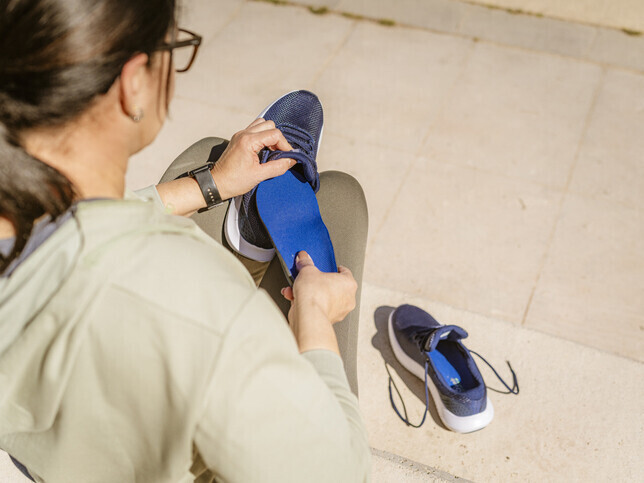
Getting Used to New Insoles. A new insole can feel different initially because it changes the way your foot interacts with your footwear. You may need to gradually increase the amount of time you wear it. We'll provide appropriate advice about introducing your insole and what to look out for.
If you experience persistent discomfort or anything that concerns you, get in touch rather than simply continuing to use it.
If You Have Diabetes. Footwear and pressure management can be particularly important if you have diabetes, especially where sensation or circulation is affected. If an insole is being considered, your individual foot-health risk will be taken into account.
The aim may be to help manage areas of increased pressure and reduce the risk of skin problems. Learn More About Diabetic Foot Care
An Insole Isn't Always the Answer. There are many reasons why an insole may not be appropriate. For example:
- Your symptoms may require another form of treatment
- Your footwear may be the main issue
- Your foot pain may need further investigation
- An insole may not be expected to provide meaningful benefit
- Another healthcare professional may need to assess the problem
If we don't think an insole is appropriate, we'll tell you. Good podiatry isn't about selling an insole. It's about deciding whether an insole is actually likely to help.