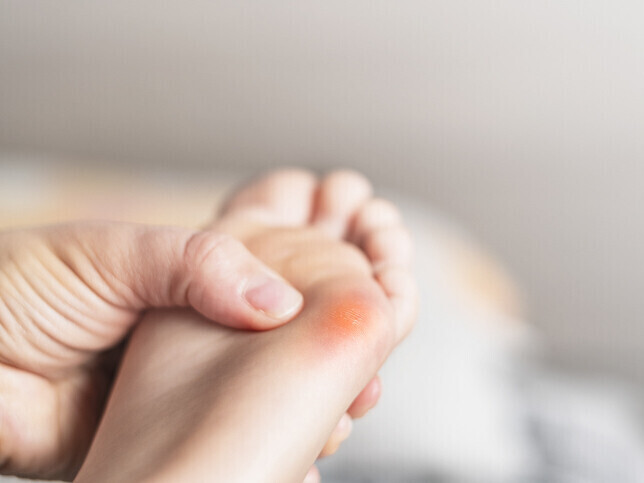
What Causes Corns and Callus? Corns and callus usually develop because the skin is repeatedly exposed to pressure, friction or increased loading. Contributing factors can include:
- Foot shape
- Areas of increased pressure
- Toe deformities
- Bunions
- Tight or poorly fitting footwear
- High heels
- Footwear rubbing against the toes
- The way you walk
- Repeated activities
- Changes in the way pressure is distributed across the foot
There isn't necessarily one single cause, which is why understanding why the corn or callus has developed is an important part of treatment.
Where Can Corns and Callus Develop? Corns and callus can occur in many areas of the foot. Common locations include:
- The tops or sides of the toes
- Between the toes
- The balls of the feet
- The heels
- The sides of the feet
- Areas underneath the foot exposed to increased pressure
The location can provide useful information about where pressure or friction may be occurring.
Corn & Callus Treatment. At Shire Foot Clinic, treatment begins with an assessment of the affected area. We consider:
- Where the corn or callus has developed
- How painful or uncomfortable it is
- Your footwear
- Your foot shape and structure
- Areas of pressure
- Your general health
- Whether you have conditions such as diabetes
- Whether the problem is recurring
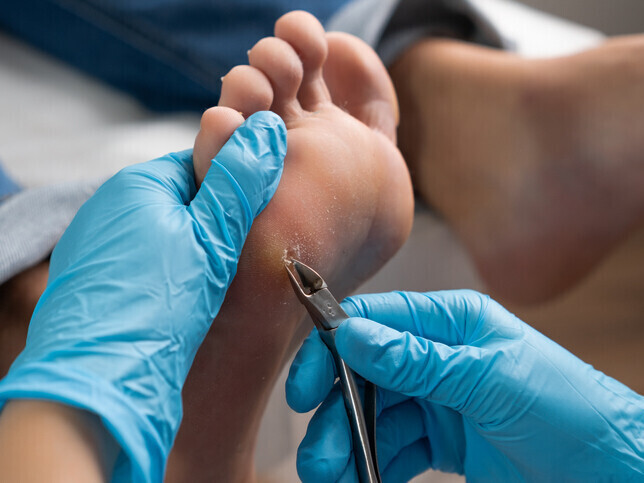
Appropriate treatment may then include professional reduction or removal of the corn or callus, together with advice to help manage the factors contributing to it.
Corns and callus can be carefully reduced by a podiatrist using appropriate professional techniques. Treatment aims to reduce the thickness of the affected skin and relieve discomfort. Once the area has been treated, we can discuss ways of reducing the pressure or friction that may have contributed to the problem. The aim isn't simply to remove the corn — it's to understand why it developed.
Removing a corn or reducing callus treats the existing thickened skin, but if the underlying pressure or friction remains, the skin may thicken again. This is why we may also look at:
- Footwear
- Foot shape
- Pressure areas
- Toe position
- Walking patterns
- Activity
- Areas of repeated rubbing
Depending on the individual circumstances, advice about footwear, padding, offloading or other measures may help reduce recurrence.
Treatment is therefore about more than simply removing the hard skin.
Footwear that is too narrow, too short or otherwise puts pressure on the toes can contribute to corns and callus. We can assess your footwear and provide advice about choosing shoes that give your feet appropriate space and reduce unnecessary pressure. Where appropriate, footwear advice may form part of your overall treatment plan.
If you have diabetes, corns and callus require particular consideration because areas of increased pressure can be associated with a greater risk of skin breakdown, particularly where sensation or circulation is affected. We will consider your individual foot-health risk before treatment. If appropriate, professional treatment may be recommended rather than attempting to remove corns or callus yourself. Learn More About Diabetic Foot Care
Can I Cut My Own Corn or Callus? We don't recommend cutting corns or callus yourself with sharp instruments. This is particularly important if you have diabetes, reduced sensation or circulation problems, as an injury may not be noticed or may take longer to heal.
A podiatrist can assess the area and provide appropriate professional treatment.
When Should You Seek Professional Advice? Consider making an appointment if:
- Your corn is painful
- Callus is making walking uncomfortable
- Hard skin keeps returning
- The area is cracking or bleeding
- Your footwear is becoming uncomfortable
- You have a recurring problem in the same location
- You're unsure whether you have a corn or another type of skin lesion
- You have diabetes or reduced sensation
- You've tried treating the problem yourself without success
If you notice a wound, ulcer, significant redness, swelling or signs of infection, particularly if you have diabetes, seek appropriate medical advice promptly.